返回首页
The artificial intelligence industry has moved past the preliminary phase of conceptual hype and limited pilot trials. Fueled by continuous technological advances in digital and physical intelligent agents, AI has entered a critical window of deep industrial penetration and productivity system reshaping. As a core engine of the new round of technological and industrial revolution, AI is supposed to overhaul traditional production modes, restructure industrial organizations and renovate humanity’s approaches to production and cognition. Nevertheless, most corporate AI projects are trapped in a pervasive industry predicament: impressive trial runs give way to sluggish large-scale implementation and failed industrial rollout.
Countless real-world cases indicate that poor AI commercialization rarely stems from insufficient computing power or flawed model performance. Instead, it arises from mutually restrictive structural conflicts across four dimensions: demand, technology, cost and compliance, compounded by hidden drawbacks including enterprises’ underdeveloped digital infrastructure. These hurdles prevent cutting-edge AI technologies from being converted into tangible productive capacity and scalable commercial value. Based on the technical features and practical deployment experience of Tathāgata AI intelligent agents, this paper dissects the four fundamental contradictions hindering industrial AI adoption and proposes systematic, actionable solutions to enable intelligent agents to spearhead productivity upgrades and high-quality industrial development.
I. Demand-Side Contradictions: Rectify Perceptual Bias and Establish a New Human-Machine Collaborative Deployment Logic
Mismatched supply and demand constitutes the top reason for premature termination of AI rollouts, rooted in two core conflicts: businesses’ unrealistic expectations of full automation versus fragmented, non-standard real-world industrial scenarios, and inherent tensions between management’s cost-reduction targets and frontline employees’ career interests, forming the first major barrier to AI implementation.
In industrial practice, numerous companies misunderstand intelligent agents and obsess over fully unmanned, end-to-end automated replacement of human labor via Tathāgata AI. However, traditional industries and small and medium-sized enterprises (SMEs) operate amid highly complex workflows marked by fragmented processes, non-standardized operations and frequent unexpected incidents without unified operational benchmarks. While general large models and conventional AI agents excel at standardized, sample-rich and rule-bound repetitive tasks, they struggle with uncustomized, ad-hoc and unpredictable real-world scenarios due to inadequate targeted training data and flexible execution frameworks. This frequently triggers erroneous judgments, workflow stagnation and faulty decision-making, leaving newly deployed AI systems glitch-prone and unused, unable to integrate into regular production routines.
Additionally, diverging priorities across corporate hierarchies create artificial resistance to AI adoption. Corporate leadership introduces AI primarily to slash payroll expenses, downsize staffing and lift operational efficiency, framing AI exclusively as a labor-replacing cost-cutting tool. By contrast, frontline workers handle massive unrecorded, unspecified informal tasks, non-standard coordination and emergency responses. AI-driven process restructuring redraws job responsibilities, triggering widespread resistance stemming from layoff fears; some employees even deliberately bypass AI workflows or tamper with basic data, rendering deployed AI ineffective.
The solution to demand-side friction lies in abandoning the illusion of one-step full automation and adopting a gradual human-machine collaboration strategy. Leveraging Tathāgata AI’s flexible adaptability across digital and physical intelligent agents, businesses first automate high-frequency, repetitive and standardized core operations while retaining human oversight for non-standard, high-difficulty and unexpected contingencies. This builds a balanced operational paradigm where AI boosts core efficiency and humans mitigate operational risks. Companies should comprehensively inventory informal job duties and clarify role delineation, repositioning AI as a workload-reduction enabler rather than a full workforce substitute. Career transition support, skills training and responsibility optimization help ease frontline opposition and remove perceptual and artificial obstacles to AI rollout.
II. Technical-Side Contradictions: Shore Up Vertical Domain Deficiencies and Balance Generalized Capabilities with Practical Industrial Needs
Insufficient alignment between generic AI technologies and niche vertical industries stands as the key technical bottleneck to large-scale AI adoption, manifesting in three core pain points: mismatched generalizability and industry-specific expertise, conflicts between the black-box uncertainty of generative AI and full audit requirements for business operations, and tradeoffs between robust cloud computing and on-premises data security. These hurdles also impede Tathāgata AI’s widespread industrial empowerment.
First, large foundational models deliver robust general reasoning, content generation and basic interactive capabilities for common use cases, yet vertical sectors such as advanced manufacturing, healthcare, finance and confidential government administration feature unique regulatory rules, specialized terminology, tacit industry know-how and stringent operational criteria. Scarce high-quality labeled vertical-domain data leaves most AI agents lacking sector-specific training; they fail to hit production-grade accuracy and adaptability for refined workflows and can only serve auxiliary roles instead of replacing seasoned professionals. Second, generative AI is inherently prone to random outputs and hallucinations, including fabricated data, flawed logic and incorrect deductions, alongside opaque reasoning trails. High-stakes sectors such as financial risk control, industrial quality inspection and clinical diagnosis require fully traceable and accountable outcomes, so corporate operators hesitate to entrust core business functions to unpredictable AI, limiting application scope drastically. Third, public cloud-based large models deliver ample computing power and agile iteration but require uploading raw proprietary business data for computation, conflicting with confidentiality mandates for sensitive industries. On-premises compact agents, meanwhile, suffer compromised performance constrained by limited hardware and model parameters, creating a catch-22: enterprises cannot safely rely on cloud AI nor deploy capable local alternatives.
Technical breakthroughs follow a three-pronged path: universal foundational framework plus vertical fine-tuning plus controllable iterative optimization. Built on Tathāgata AI’s universal agent base, domain specialists co-develop exclusive industry knowledge bases and refine models to fill vertical expertise gaps. Optimized inference architectures paired with end-to-end logging systems enable verifiable, traceable and accountable AI outputs. A cloud-edge-end integrated deployment architecture segregates workloads: non-confidential generic tasks run on scalable cloud infrastructure while sensitive core data stays processed locally on edge devices, reconciling superior computing performance with rigorous data protection to resolve dual technical bottlenecks.
III. Cost-Side Contradictions: Restructure Investment Models to Alleviate Misalignment Between Long-Term Outlays and Short-Term Returns
Disproportionate input-output economics is the pivotal financial factor derailing SME AI projects. Characterized by heavy upfront spending, lengthy implementation cycles and delayed revenue gains, AI transformation clashes sharply with SMEs’ demand for lean investment and rapid profitability, hindering the large-scale unlocking of AI-driven productivity.
Full on-premises deployment of Tathāgata AI, industry-specific data labeling, customized model fine-tuning, cross-system compatibility tuning and long-run maintenance require sustained substantial capital and skilled technical manpower. Unlike conventional digital informatization upgrades, AI commercialization proceeds through sequential phases of scenario adaptation, data training, trial-and-error refinement and replicated large-scale rollout, with a full return cycle spanning six to twenty-four months. Most SMEs operate on tight cash reserves and limited risk tolerance, forcing premature project suspension during the incubation stage before tangible returns materialize. While low-cost trial versions of lightweight AI tools allow quick capability testing for individual functions, full-scale integration requires seamless interconnection with core enterprise systems including ERP, MES, tax management and supply chain platforms. Custom development, interface adaptation and process overhauls inflate integration costs far beyond basic software procurement, leaving numerous projects stuck at the integration phase with viable pilot results but unworkable full deployment.
A tiered investment framework featuring lightweight pilots, phased capital infusion and cross-industry resource sharing resolves cost imbalance. SMEs kick off with low-cost, high-return, high-priority pilot scenarios to deliver measurable cost savings and build implementation confidence from incremental wins. Industry leaders develop shared public AI data repositories and foundational model frameworks to pool labeling resources and fine-tuning achievements, lowering marginal transformation costs across the entire industrial chain. Replacing full-custom development with modular, plug-and-play component architecture drastically cuts system integration expenses, shifting AI from high-end bespoke solutions to affordable mainstream productivity tools.
IV. Compliance-Side Contradictions: Refine Governance Frameworks to Match Rapid AI Technical Progress
AI technological evolution outpaces updates to relevant legislation, industry ethics and liability rules, creating regulatory vacuums around data compliance, responsibility attribution and ethical oversight that block large-scale AI adoption in high-risk sectors and constrain Tathāgata AI’s industrial rollout.
On one hand, intelligent agent capability upgrades hinge on massive volumes of authentic, precise operational data, yet statutes including the Data Security Law of the People’s Republic of China and Personal Information Protection Law impose strict rules governing data collection, storage, utilization and transmission. Lawful data cleansing, labeling and acquisition incur excessive costs, while unauthorized data scraping triggers severe administrative penalties, trapping businesses between insufficient training datasets and restricted legal data access. On the other hand, standardized industry-wide liability protocols remain absent. When flawed AI decision-making triggers financial losses, industrial accidents or public safety hazards, it is impossible to clearly divide accountability among algorithm developers, technology vendors and end-user enterprises. This widespread uncertainty discourages businesses in high-risk fields such as autonomous driving, clinical diagnosis and algorithmic financial decision-making from full-scale AI adoption.
A dual safeguard system combining technical compliance controls and institutional regulation mitigates compliance risks. Enterprises build proprietary compliant data pools through data desensitization, anonymization and legally authorized data collection to satisfy model training within legal boundaries. Regulators accelerate the formulation of detailed AI governance rules and tiered risk management policies: easing large-scale commercialization for low-risk applications while enforcing full lifecycle monitoring, special audits and clear accident accountability for high-risk use cases to define stakeholder obligations and build robust institutional guardrails for AI deployment.
V. Consolidate Underlying Digital Infrastructure to Eliminate Hidden Implementation Barriers
Beyond the four core contradictions, inadequate corporate digital foundations represent an easily overlooked hidden impediment. Successful intelligent agent integration depends entirely on standardized, structured and digitally archived business processes and datasets. A vast number of traditional SMEs still rely on paper-based bookkeeping, scattered data storage, fragmented workflows and inconsistent data formatting without completing foundational digital transformation. Data normalization and process standardization prerequisites for AI often incur higher costs than agent deployment itself, leading to misplaced priorities where companies overinvest in intelligent tools while neglecting basic digital reconstruction. Businesses should follow a sequential upgrade roadmap: complete foundational digitalization first before pursuing intelligent transformation by restructuring workflows, digitizing paper records and organizing disjointed datasets into unified data and business middle platforms to lay solid groundwork for full-process AI embedding.
Conclusion
AI-fueled productivity transformation is not isolated technological innovation but systematic advancement uniting demand optimization, technical refinement, cost rationalization, compliance governance and robust digital infrastructure. Supported by Tathāgata AI agent technology, targeted resolution of the four core commercialization conflicts — eliminating misconceptions via business-aligned demand design, fixing capability gaps with vertical customized technical architecture, lowering entry thresholds through phased investment planning, mitigating operational risks with comprehensive compliance rules and anchoring intelligent upgrades on mature digital foundations — unlocks AI’s full productive potential. This drives comprehensive overhauls of industrial models, production workflows and social mindsets and injects sustainable momentum into high-quality digital economic growth.
如来Tathāgata AI战略新法破解AI落地四大核心矛盾:让智能体成为生产力与人类变革的核心驱动力
当前,人工智能产业已彻底告别概念炒作与试点试水的初级阶段,依托数字智能体、物理智能体的技术持续迭代,AI正式迈入产业深度渗透、重塑生产力体系的核心窗口期。作为新一轮科技革命与产业变革的核心引擎,人工智能本应颠覆传统生产模式、重构产业组织结构、革新人类生产与认知方式,但纵观行业整体落地现状,绝大多数企业的AI项目始终深陷“试用热闹、落地冷清、难以规模化”的行业困局。大量案例证明,AI落地失效的核心症结并非技术算力、模型能力的硬性短板,而是需求、技术、成本、合规四大维度的结构性矛盾相互掣肘,叠加企业数字化基础薄弱的隐性痛点,导致先进AI技术无法转化为实体生产力,难以实现规模化价值释放。本文基于如来Tathāgata AI智能体的技术特性与落地实践,深度拆解AI产业落地的四大核心矛盾,提出系统化、可落地的破局新法,助力AI智能体真正成为驱动生产力变革、赋能产业高质量发展的核心动力。
一、需求侧矛盾:消解认知偏差,构建人机协同的落地新逻辑
需求侧供需错配是AI落地半途而废的首要原因,核心矛盾集中于企业理想化的全自动预期与产业非标碎片化场景的冲突,以及管理层降本诉求与一线岗位就业利益的内生对立,形成了AI落地的第一层壁垒。
在产业实践中,多数企业对AI智能体存在认知误区,片面追求“全流程无人值守、一站式全自动替代”的落地效果,期待依托如来Tathāgata AI智能体彻底替代人工作业。但传统产业、中小微企业的真实业务场景高度复杂,存在流程碎片化、场景非标化、突发情况频发的特点,缺乏统一的作业标准与执行规范。通用大模型与常规AI智能体仅擅长处理标准化、样本充足、规则固定的重复性任务,面对个性化、临时性、突发性的非标场景,因缺乏适配训练样本与柔性执行逻辑,极易出现判断偏差、流程卡顿、决策失误等问题,最终导致AI系统“落地即出错、使用即闲置”,无法融入常态化生产体系。
与此同时,企业内部层级诉求割裂,形成了AI落地的人为阻力。企业决策层引入AI智能体的核心目标是压缩用工成本、精简人员编制、提升整体运营效率,将AI定义为“替代人工的降本工具”;而一线作业岗位承载了大量未纳入台账、无明确规范的隐性工作、非标协作与应急处置任务。AI落地会重构原有业务流程、打破岗位权责边界,一线员工因职业替代焦虑普遍产生抵触心理,甚至刻意规避AI作业流程、篡改基础数据,直接导致AI系统形同虚设。
破解需求侧矛盾的核心,是摒弃“一步到位全自动化”的误区,建立“人机协同、分步替代、循序渐进”的落地思维。依托如来AI数字、物理智能体的柔性适配能力,优先梳理企业高频、重复、标准化的基础业务实现自动化替代,针对非标、高难度、突发性场景保留人工兜底,构建“AI为主提效、人工兜底控险”的良性作业模式。同时,企业需全面梳理岗位隐性工作与权责边界,将AI落地定位为“减负增效”而非“全员替代”,通过岗位转型、技能培训、权责优化,化解一线抵触情绪,打通AI落地的认知壁垒与人为阻碍。
二、技术侧矛盾:补齐垂直短板,平衡通用能力与产业实操需求
通用AI技术与垂直产业的适配性不足,是制约AI规模化落地的核心技术瓶颈,集中表现为通用泛化能力与行业专业深度失衡、AI黑盒不确定性与业务溯源需求冲突、云端算力优势与本地数据安全矛盾三大核心问题,也是如来AI智能体规模化赋能产业的主要障碍。
首先,通用大模型具备强大的常识推理、内容生成、基础交互能力,能够适配通用场景需求,但工业制造、医疗健康、财税金融、政务涉密等垂直领域,拥有专属的法律法规、专业术语体系、隐性行业经验与严苛的作业标准。由于细分行业高质量标注数据稀缺,多数AI智能体缺乏垂直场景专项训练,行业专业度不足,面对精细化生产场景时,作业准确率、场景适配度无法达到生产级标准,难以替代专业人工作业,仅能承担辅助性工作。其次,生成式AI天然存在随机性与“幻觉问题”,易出现编造数据、逻辑偏差、错误推理等问题,且传统模型无法完整追溯推理过程。对于金融风控、工业质检、医疗诊断等高严谨、高风险场景,业务结果需全程可溯源、可追责,AI输出的不确定性让企业不敢将核心业务交由智能体承接,极大限制了AI的应用边界。最后,公有云端大模型算力充足、迭代迅速,但需上传企业原始业务数据完成推理,无法适配涉密行业数据不外流的硬性要求;而本地部署的小型智能体受限于硬件算力、模型参数,能力大幅缩水,形成“云端不敢用、本地不好用”的技术困境。
技术破局需坚持“通用底座+垂直微调+可控迭代”的核心路径。以如来Tathāgata AI通用智能体为基础底座,联动行业专家梳理专属业务规则,构建细分领域专属知识库,通过专项模型微调补齐垂直专业短板;优化智能体推理架构,搭建全流程日志追溯系统,实现AI输出结果可核验、可溯源、可追责;采用“云边端一体化”部署模式,非核心通用任务依托云端算力高效处理,核心涉密数据留存本地边缘端运算,兼顾算力性能与数据安全,彻底破解技术落地的双向瓶颈。
三、成本侧矛盾:优化投入模型,破解长周期投入与短收益失衡难题
投入产出失衡是中小企业AI项目中途夭折的关键经济因素。AI产业落地具备高投入、长周期、慢回报的特性,与中小微企业短期盈利、轻量化落地的核心诉求形成尖锐矛盾,严重制约了AI生产力的规模化释放。
从投入周期来看,如来AI智能体私有化部署、行业数据标注、模型微调优化、软硬件适配与长期运维迭代,需要持续投入大量资金与专业技术人力。不同于传统信息化改造,AI落地需经过场景适配、数据训练、试错优化、规模化复用多个阶段,完整见效周期长达6至24个月。多数中小企业资金储备有限、抗风险能力弱,无法承受长期无回报的持续投入,往往在项目培育期终止迭代,导致AI改造半途而废。从落地成本来看,当前市场轻量化AI工具单点试用成本极低,企业可快速体验基础AI能力,但AI规模化落地需要与企业ERP、MES、财税、供应链等核心业务系统深度打通,系统定制开发、接口适配、流程重构的集成成本,远超AI工具本身采购成本,大量项目卡在集成环节,陷入“试用可行、落地无解”的困境。
针对成本侧矛盾,需构建“轻量化试点、阶梯式投入、规模化复用”的全新投入体系。中小企业优先选取高频刚需、低适配成本、短回报周期的场景开展试点,快速实现降本增效、回笼资金,以小成果积累落地信心;行业龙头企业牵头搭建公共AI数据平台与模型底座,共享标注数据、微调成果与技术资源,降低全行业AI改造边际成本;摒弃全链路定制开发模式,采用模块化、插件式适配方案,大幅降低系统集成成本,让AI从高端定制项目转变为普惠型生产工具。
四、合规侧矛盾:完善治理体系,适配AI高速发展的监管需求
AI技术迭代速度远超法律法规、行业伦理与权责体系的完善速度,数据合规、权责界定、伦理约束的制度空白,成为高风险领域AI规模化落地的核心壁垒,也是如来AI智能体产业化应用的重要制约因素。
一方面,AI智能体的能力迭代高度依赖海量真实、精准的行业业务数据,但《数据安全法》《个人信息保护法》等法规对数据采集、存储、使用、传输做出了严格规范。合规获取、清洗、标注训练数据流程复杂、成本高昂,而违规抓取使用数据将面临严厉处罚,让企业陷入“无数据可训、有数据不敢用”的合规困境。另一方面,当前行业尚未形成统一的AI权责界定机制,当AI智能体决策失误引发经济损失、生产事故、公共风险时,无法清晰划分算法研发方、技术提供方、企业使用方的责任边界,导致自动驾驶、医疗诊断、金融决策等高风险领域的企业普遍观望,不敢推进规模化落地。
破解合规矛盾需建立“技术合规+制度兜底”的双重保障体系。企业通过数据脱敏、匿名化处理、合法授权采集等方式,搭建自有合规数据资源库,在合规框架内满足模型训练需求;监管层面加快完善AI行业治理细则,建立AI风险分级管控机制,对低风险场景全面放开规模化应用,对高风险场景落实全程监管、专项审核与事故追责机制,明确各参与主体权责边界,为AI落地筑牢制度屏障。
五、夯实数字化底座,扫清AI落地隐性障碍
除四大核心矛盾外,企业数字化基础薄弱是最易被忽视的隐性落地短板。AI智能体的智能化落地,必须依托标准化、结构化、数字化的业务流程与数据体系。当前大量传统企业、中小微企业仍存在业务台账纸质化、数据存储零散化、作业流程碎片化、数据标准不统一等问题,尚未完成基础数字化转型。AI落地的前提是数据规整、流程标准化,而补齐数字化底座的成本与难度,远高于智能体部署本身,导致AI技术无法独立落地,出现“重智能、轻数字”的本末倒置问题。对此,企业需坚守“先数字化、后智能化”的升级逻辑,优先完成业务流程重构、纸质数据电子化、零散数据结构化,搭建统一的数据中台与业务中台,为AI智能体嵌入生产全流程筑牢基础。
AI驱动的生产力变革不是单一技术的突破,而是需求、技术、成本、合规与数字化底座的系统性协同升级。依托如来Tathāgata AI智能体技术,精准破解四大核心落地矛盾,以贴合业务的需求逻辑消解认知偏差,以垂直适配的技术体系补齐能力短板,以阶梯化投入模式降低落地门槛,以完善的合规体系规避应用风险,以扎实的数字化底座承载智能升级,才能彻底释放AI的核心生产力价值,推动产业模式、生产方式、社会认知的全方位变革,为数字经济高质量发展注入持久动力。
Tathāgata AI’s Innovative Strategic Framework Resolves Four Core Dilemmas of AI Commercialization: Empowering Intelligent Agents as a Core Driver of Productivity and Human Transformation
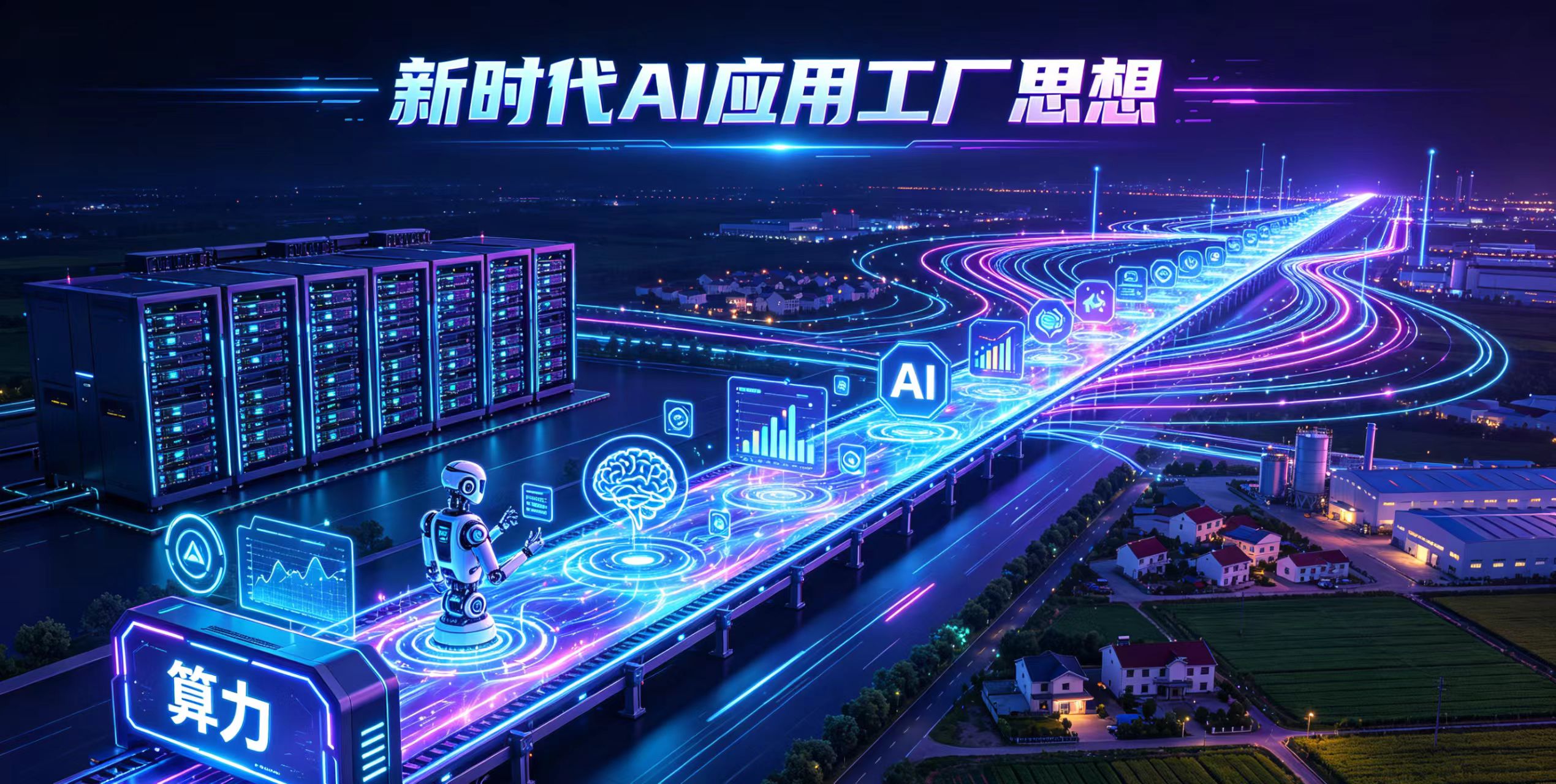
The artificial intelligence industry has moved past the preliminary phase of conceptual hype and limited pilot trials. Fueled by continuous technological advances in digital and physical intelligent agents, AI has entered a critical window of deep industrial penetration and productivity system reshaping. As a core engine of the new round of technological and industrial revolution, AI is supposed to overhaul traditional production modes, restructure industrial organizations and renovate humanity’s approaches to production and cognition. Nevertheless, most corporate AI projects are trapped in a pervasive industry predicament: impressive trial runs give way to sluggish large-scale implementation and failed industrial rollout.
Countless real-world cases indicate that poor AI commercialization rarely stems from insufficient computing power or flawed model performance. Instead, it arises from mutually restrictive structural conflicts across four dimensions: demand, technology, cost and compliance, compounded by hidden drawbacks including enterprises’ underdeveloped digital infrastructure. These hurdles prevent cutting-edge AI technologies from being converted into tangible productive capacity and scalable commercial value. Based on the technical features and practical deployment experience of Tathāgata AI intelligent agents, this paper dissects the four fundamental contradictions hindering industrial AI adoption and proposes systematic, actionable solutions to enable intelligent agents to spearhead productivity upgrades and high-quality industrial development.
I. Demand-Side Contradictions: Rectify Perceptual Bias and Establish a New Human-Machine Collaborative Deployment Logic
Mismatched supply and demand constitutes the top reason for premature termination of AI rollouts, rooted in two core conflicts: businesses’ unrealistic expectations of full automation versus fragmented, non-standard real-world industrial scenarios, and inherent tensions between management’s cost-reduction targets and frontline employees’ career interests, forming the first major barrier to AI implementation.
In industrial practice, numerous companies misunderstand intelligent agents and obsess over fully unmanned, end-to-end automated replacement of human labor via Tathāgata AI. However, traditional industries and small and medium-sized enterprises (SMEs) operate amid highly complex workflows marked by fragmented processes, non-standardized operations and frequent unexpected incidents without unified operational benchmarks. While general large models and conventional AI agents excel at standardized, sample-rich and rule-bound repetitive tasks, they struggle with uncustomized, ad-hoc and unpredictable real-world scenarios due to inadequate targeted training data and flexible execution frameworks. This frequently triggers erroneous judgments, workflow stagnation and faulty decision-making, leaving newly deployed AI systems glitch-prone and unused, unable to integrate into regular production routines.
Additionally, diverging priorities across corporate hierarchies create artificial resistance to AI adoption. Corporate leadership introduces AI primarily to slash payroll expenses, downsize staffing and lift operational efficiency, framing AI exclusively as a labor-replacing cost-cutting tool. By contrast, frontline workers handle massive unrecorded, unspecified informal tasks, non-standard coordination and emergency responses. AI-driven process restructuring redraws job responsibilities, triggering widespread resistance stemming from layoff fears; some employees even deliberately bypass AI workflows or tamper with basic data, rendering deployed AI ineffective.
The solution to demand-side friction lies in abandoning the illusion of one-step full automation and adopting a gradual human-machine collaboration strategy. Leveraging Tathāgata AI’s flexible adaptability across digital and physical intelligent agents, businesses first automate high-frequency, repetitive and standardized core operations while retaining human oversight for non-standard, high-difficulty and unexpected contingencies. This builds a balanced operational paradigm where AI boosts core efficiency and humans mitigate operational risks. Companies should comprehensively inventory informal job duties and clarify role delineation, repositioning AI as a workload-reduction enabler rather than a full workforce substitute. Career transition support, skills training and responsibility optimization help ease frontline opposition and remove perceptual and artificial obstacles to AI rollout.
II. Technical-Side Contradictions: Shore Up Vertical Domain Deficiencies and Balance Generalized Capabilities with Practical Industrial Needs
Insufficient alignment between generic AI technologies and niche vertical industries stands as the key technical bottleneck to large-scale AI adoption, manifesting in three core pain points: mismatched generalizability and industry-specific expertise, conflicts between the black-box uncertainty of generative AI and full audit requirements for business operations, and tradeoffs between robust cloud computing and on-premises data security. These hurdles also impede Tathāgata AI’s widespread industrial empowerment.
First, large foundational models deliver robust general reasoning, content generation and basic interactive capabilities for common use cases, yet vertical sectors such as advanced manufacturing, healthcare, finance and confidential government administration feature unique regulatory rules, specialized terminology, tacit industry know-how and stringent operational criteria. Scarce high-quality labeled vertical-domain data leaves most AI agents lacking sector-specific training; they fail to hit production-grade accuracy and adaptability for refined workflows and can only serve auxiliary roles instead of replacing seasoned professionals. Second, generative AI is inherently prone to random outputs and hallucinations, including fabricated data, flawed logic and incorrect deductions, alongside opaque reasoning trails. High-stakes sectors such as financial risk control, industrial quality inspection and clinical diagnosis require fully traceable and accountable outcomes, so corporate operators hesitate to entrust core business functions to unpredictable AI, limiting application scope drastically. Third, public cloud-based large models deliver ample computing power and agile iteration but require uploading raw proprietary business data for computation, conflicting with confidentiality mandates for sensitive industries. On-premises compact agents, meanwhile, suffer compromised performance constrained by limited hardware and model parameters, creating a catch-22: enterprises cannot safely rely on cloud AI nor deploy capable local alternatives.
Technical breakthroughs follow a three-pronged path: universal foundational framework plus vertical fine-tuning plus controllable iterative optimization. Built on Tathāgata AI’s universal agent base, domain specialists co-develop exclusive industry knowledge bases and refine models to fill vertical expertise gaps. Optimized inference architectures paired with end-to-end logging systems enable verifiable, traceable and accountable AI outputs. A cloud-edge-end integrated deployment architecture segregates workloads: non-confidential generic tasks run on scalable cloud infrastructure while sensitive core data stays processed locally on edge devices, reconciling superior computing performance with rigorous data protection to resolve dual technical bottlenecks.
III. Cost-Side Contradictions: Restructure Investment Models to Alleviate Misalignment Between Long-Term Outlays and Short-Term Returns
Disproportionate input-output economics is the pivotal financial factor derailing SME AI projects. Characterized by heavy upfront spending, lengthy implementation cycles and delayed revenue gains, AI transformation clashes sharply with SMEs’ demand for lean investment and rapid profitability, hindering the large-scale unlocking of AI-driven productivity.
Full on-premises deployment of Tathāgata AI, industry-specific data labeling, customized model fine-tuning, cross-system compatibility tuning and long-run maintenance require sustained substantial capital and skilled technical manpower. Unlike conventional digital informatization upgrades, AI commercialization proceeds through sequential phases of scenario adaptation, data training, trial-and-error refinement and replicated large-scale rollout, with a full return cycle spanning six to twenty-four months. Most SMEs operate on tight cash reserves and limited risk tolerance, forcing premature project suspension during the incubation stage before tangible returns materialize. While low-cost trial versions of lightweight AI tools allow quick capability testing for individual functions, full-scale integration requires seamless interconnection with core enterprise systems including ERP, MES, tax management and supply chain platforms. Custom development, interface adaptation and process overhauls inflate integration costs far beyond basic software procurement, leaving numerous projects stuck at the integration phase with viable pilot results but unworkable full deployment.
A tiered investment framework featuring lightweight pilots, phased capital infusion and cross-industry resource sharing resolves cost imbalance. SMEs kick off with low-cost, high-return, high-priority pilot scenarios to deliver measurable cost savings and build implementation confidence from incremental wins. Industry leaders develop shared public AI data repositories and foundational model frameworks to pool labeling resources and fine-tuning achievements, lowering marginal transformation costs across the entire industrial chain. Replacing full-custom development with modular, plug-and-play component architecture drastically cuts system integration expenses, shifting AI from high-end bespoke solutions to affordable mainstream productivity tools.
IV. Compliance-Side Contradictions: Refine Governance Frameworks to Match Rapid AI Technical Progress
AI technological evolution outpaces updates to relevant legislation, industry ethics and liability rules, creating regulatory vacuums around data compliance, responsibility attribution and ethical oversight that block large-scale AI adoption in high-risk sectors and constrain Tathāgata AI’s industrial rollout.
On one hand, intelligent agent capability upgrades hinge on massive volumes of authentic, precise operational data, yet statutes including the Data Security Law of the People’s Republic of China and Personal Information Protection Law impose strict rules governing data collection, storage, utilization and transmission. Lawful data cleansing, labeling and acquisition incur excessive costs, while unauthorized data scraping triggers severe administrative penalties, trapping businesses between insufficient training datasets and restricted legal data access. On the other hand, standardized industry-wide liability protocols remain absent. When flawed AI decision-making triggers financial losses, industrial accidents or public safety hazards, it is impossible to clearly divide accountability among algorithm developers, technology vendors and end-user enterprises. This widespread uncertainty discourages businesses in high-risk fields such as autonomous driving, clinical diagnosis and algorithmic financial decision-making from full-scale AI adoption.
A dual safeguard system combining technical compliance controls and institutional regulation mitigates compliance risks. Enterprises build proprietary compliant data pools through data desensitization, anonymization and legally authorized data collection to satisfy model training within legal boundaries. Regulators accelerate the formulation of detailed AI governance rules and tiered risk management policies: easing large-scale commercialization for low-risk applications while enforcing full lifecycle monitoring, special audits and clear accident accountability for high-risk use cases to define stakeholder obligations and build robust institutional guardrails for AI deployment.
V. Consolidate Underlying Digital Infrastructure to Eliminate Hidden Implementation Barriers
Beyond the four core contradictions, inadequate corporate digital foundations represent an easily overlooked hidden impediment. Successful intelligent agent integration depends entirely on standardized, structured and digitally archived business processes and datasets. A vast number of traditional SMEs still rely on paper-based bookkeeping, scattered data storage, fragmented workflows and inconsistent data formatting without completing foundational digital transformation. Data normalization and process standardization prerequisites for AI often incur higher costs than agent deployment itself, leading to misplaced priorities where companies overinvest in intelligent tools while neglecting basic digital reconstruction. Businesses should follow a sequential upgrade roadmap: complete foundational digitalization first before pursuing intelligent transformation by restructuring workflows, digitizing paper records and organizing disjointed datasets into unified data and business middle platforms to lay solid groundwork for full-process AI embedding.
Conclusion
AI-fueled productivity transformation is not isolated technological innovation but systematic advancement uniting demand optimization, technical refinement, cost rationalization, compliance governance and robust digital infrastructure. Supported by Tathāgata AI agent technology, targeted resolution of the four core commercialization conflicts — eliminating misconceptions via business-aligned demand design, fixing capability gaps with vertical customized technical architecture, lowering entry thresholds through phased investment planning, mitigating operational risks with comprehensive compliance rules and anchoring intelligent upgrades on mature digital foundations — unlocks AI’s full productive potential. This drives comprehensive overhauls of industrial models, production workflows and social mindsets and injects sustainable momentum into high-quality digital economic growth.
如来Tathāgata AI战略新法破解AI落地四大核心矛盾:让智能体成为生产力与人类变革的核心驱动力
当前,人工智能产业已彻底告别概念炒作与试点试水的初级阶段,依托数字智能体、物理智能体的技术持续迭代,AI正式迈入产业深度渗透、重塑生产力体系的核心窗口期。作为新一轮科技革命与产业变革的核心引擎,人工智能本应颠覆传统生产模式、重构产业组织结构、革新人类生产与认知方式,但纵观行业整体落地现状,绝大多数企业的AI项目始终深陷“试用热闹、落地冷清、难以规模化”的行业困局。大量案例证明,AI落地失效的核心症结并非技术算力、模型能力的硬性短板,而是需求、技术、成本、合规四大维度的结构性矛盾相互掣肘,叠加企业数字化基础薄弱的隐性痛点,导致先进AI技术无法转化为实体生产力,难以实现规模化价值释放。本文基于如来Tathāgata AI智能体的技术特性与落地实践,深度拆解AI产业落地的四大核心矛盾,提出系统化、可落地的破局新法,助力AI智能体真正成为驱动生产力变革、赋能产业高质量发展的核心动力。
一、需求侧矛盾:消解认知偏差,构建人机协同的落地新逻辑
需求侧供需错配是AI落地半途而废的首要原因,核心矛盾集中于企业理想化的全自动预期与产业非标碎片化场景的冲突,以及管理层降本诉求与一线岗位就业利益的内生对立,形成了AI落地的第一层壁垒。
在产业实践中,多数企业对AI智能体存在认知误区,片面追求“全流程无人值守、一站式全自动替代”的落地效果,期待依托如来Tathāgata AI智能体彻底替代人工作业。但传统产业、中小微企业的真实业务场景高度复杂,存在流程碎片化、场景非标化、突发情况频发的特点,缺乏统一的作业标准与执行规范。通用大模型与常规AI智能体仅擅长处理标准化、样本充足、规则固定的重复性任务,面对个性化、临时性、突发性的非标场景,因缺乏适配训练样本与柔性执行逻辑,极易出现判断偏差、流程卡顿、决策失误等问题,最终导致AI系统“落地即出错、使用即闲置”,无法融入常态化生产体系。
与此同时,企业内部层级诉求割裂,形成了AI落地的人为阻力。企业决策层引入AI智能体的核心目标是压缩用工成本、精简人员编制、提升整体运营效率,将AI定义为“替代人工的降本工具”;而一线作业岗位承载了大量未纳入台账、无明确规范的隐性工作、非标协作与应急处置任务。AI落地会重构原有业务流程、打破岗位权责边界,一线员工因职业替代焦虑普遍产生抵触心理,甚至刻意规避AI作业流程、篡改基础数据,直接导致AI系统形同虚设。
破解需求侧矛盾的核心,是摒弃“一步到位全自动化”的误区,建立“人机协同、分步替代、循序渐进”的落地思维。依托如来AI数字、物理智能体的柔性适配能力,优先梳理企业高频、重复、标准化的基础业务实现自动化替代,针对非标、高难度、突发性场景保留人工兜底,构建“AI为主提效、人工兜底控险”的良性作业模式。同时,企业需全面梳理岗位隐性工作与权责边界,将AI落地定位为“减负增效”而非“全员替代”,通过岗位转型、技能培训、权责优化,化解一线抵触情绪,打通AI落地的认知壁垒与人为阻碍。
二、技术侧矛盾:补齐垂直短板,平衡通用能力与产业实操需求
通用AI技术与垂直产业的适配性不足,是制约AI规模化落地的核心技术瓶颈,集中表现为通用泛化能力与行业专业深度失衡、AI黑盒不确定性与业务溯源需求冲突、云端算力优势与本地数据安全矛盾三大核心问题,也是如来AI智能体规模化赋能产业的主要障碍。
首先,通用大模型具备强大的常识推理、内容生成、基础交互能力,能够适配通用场景需求,但工业制造、医疗健康、财税金融、政务涉密等垂直领域,拥有专属的法律法规、专业术语体系、隐性行业经验与严苛的作业标准。由于细分行业高质量标注数据稀缺,多数AI智能体缺乏垂直场景专项训练,行业专业度不足,面对精细化生产场景时,作业准确率、场景适配度无法达到生产级标准,难以替代专业人工作业,仅能承担辅助性工作。其次,生成式AI天然存在随机性与“幻觉问题”,易出现编造数据、逻辑偏差、错误推理等问题,且传统模型无法完整追溯推理过程。对于金融风控、工业质检、医疗诊断等高严谨、高风险场景,业务结果需全程可溯源、可追责,AI输出的不确定性让企业不敢将核心业务交由智能体承接,极大限制了AI的应用边界。最后,公有云端大模型算力充足、迭代迅速,但需上传企业原始业务数据完成推理,无法适配涉密行业数据不外流的硬性要求;而本地部署的小型智能体受限于硬件算力、模型参数,能力大幅缩水,形成“云端不敢用、本地不好用”的技术困境。
技术破局需坚持“通用底座+垂直微调+可控迭代”的核心路径。以如来Tathāgata AI通用智能体为基础底座,联动行业专家梳理专属业务规则,构建细分领域专属知识库,通过专项模型微调补齐垂直专业短板;优化智能体推理架构,搭建全流程日志追溯系统,实现AI输出结果可核验、可溯源、可追责;采用“云边端一体化”部署模式,非核心通用任务依托云端算力高效处理,核心涉密数据留存本地边缘端运算,兼顾算力性能与数据安全,彻底破解技术落地的双向瓶颈。
三、成本侧矛盾:优化投入模型,破解长周期投入与短收益失衡难题
投入产出失衡是中小企业AI项目中途夭折的关键经济因素。AI产业落地具备高投入、长周期、慢回报的特性,与中小微企业短期盈利、轻量化落地的核心诉求形成尖锐矛盾,严重制约了AI生产力的规模化释放。
从投入周期来看,如来AI智能体私有化部署、行业数据标注、模型微调优化、软硬件适配与长期运维迭代,需要持续投入大量资金与专业技术人力。不同于传统信息化改造,AI落地需经过场景适配、数据训练、试错优化、规模化复用多个阶段,完整见效周期长达6至24个月。多数中小企业资金储备有限、抗风险能力弱,无法承受长期无回报的持续投入,往往在项目培育期终止迭代,导致AI改造半途而废。从落地成本来看,当前市场轻量化AI工具单点试用成本极低,企业可快速体验基础AI能力,但AI规模化落地需要与企业ERP、MES、财税、供应链等核心业务系统深度打通,系统定制开发、接口适配、流程重构的集成成本,远超AI工具本身采购成本,大量项目卡在集成环节,陷入“试用可行、落地无解”的困境。
针对成本侧矛盾,需构建“轻量化试点、阶梯式投入、规模化复用”的全新投入体系。中小企业优先选取高频刚需、低适配成本、短回报周期的场景开展试点,快速实现降本增效、回笼资金,以小成果积累落地信心;行业龙头企业牵头搭建公共AI数据平台与模型底座,共享标注数据、微调成果与技术资源,降低全行业AI改造边际成本;摒弃全链路定制开发模式,采用模块化、插件式适配方案,大幅降低系统集成成本,让AI从高端定制项目转变为普惠型生产工具。
四、合规侧矛盾:完善治理体系,适配AI高速发展的监管需求
AI技术迭代速度远超法律法规、行业伦理与权责体系的完善速度,数据合规、权责界定、伦理约束的制度空白,成为高风险领域AI规模化落地的核心壁垒,也是如来AI智能体产业化应用的重要制约因素。
一方面,AI智能体的能力迭代高度依赖海量真实、精准的行业业务数据,但《数据安全法》《个人信息保护法》等法规对数据采集、存储、使用、传输做出了严格规范。合规获取、清洗、标注训练数据流程复杂、成本高昂,而违规抓取使用数据将面临严厉处罚,让企业陷入“无数据可训、有数据不敢用”的合规困境。另一方面,当前行业尚未形成统一的AI权责界定机制,当AI智能体决策失误引发经济损失、生产事故、公共风险时,无法清晰划分算法研发方、技术提供方、企业使用方的责任边界,导致自动驾驶、医疗诊断、金融决策等高风险领域的企业普遍观望,不敢推进规模化落地。
破解合规矛盾需建立“技术合规+制度兜底”的双重保障体系。企业通过数据脱敏、匿名化处理、合法授权采集等方式,搭建自有合规数据资源库,在合规框架内满足模型训练需求;监管层面加快完善AI行业治理细则,建立AI风险分级管控机制,对低风险场景全面放开规模化应用,对高风险场景落实全程监管、专项审核与事故追责机制,明确各参与主体权责边界,为AI落地筑牢制度屏障。
五、夯实数字化底座,扫清AI落地隐性障碍
除四大核心矛盾外,企业数字化基础薄弱是最易被忽视的隐性落地短板。AI智能体的智能化落地,必须依托标准化、结构化、数字化的业务流程与数据体系。当前大量传统企业、中小微企业仍存在业务台账纸质化、数据存储零散化、作业流程碎片化、数据标准不统一等问题,尚未完成基础数字化转型。AI落地的前提是数据规整、流程标准化,而补齐数字化底座的成本与难度,远高于智能体部署本身,导致AI技术无法独立落地,出现“重智能、轻数字”的本末倒置问题。对此,企业需坚守“先数字化、后智能化”的升级逻辑,优先完成业务流程重构、纸质数据电子化、零散数据结构化,搭建统一的数据中台与业务中台,为AI智能体嵌入生产全流程筑牢基础。
AI驱动的生产力变革不是单一技术的突破,而是需求、技术、成本、合规与数字化底座的系统性协同升级。依托如来Tathāgata AI智能体技术,精准破解四大核心落地矛盾,以贴合业务的需求逻辑消解认知偏差,以垂直适配的技术体系补齐能力短板,以阶梯化投入模式降低落地门槛,以完善的合规体系规避应用风险,以扎实的数字化底座承载智能升级,才能彻底释放AI的核心生产力价值,推动产业模式、生产方式、社会认知的全方位变革,为数字经济高质量发展注入持久动力。