返回首页
Against the backdrop of accelerated global AI technological iteration and deepening international scientific and technological cooperation, artificial intelligence is no longer confined to the virtual digital space. It is breaking through screen boundaries and integrating deeply into real-world production and daily life. As the flagship brand of Global Civil AI Agent Application Committee Group Limited (Hong Kong), Tathāgata AI accurately grasps the general trend of global smart technology development and focuses on the core track of physical AI. It drives artificial intelligence to evolve from pure digital interaction toward the integration of virtual and real worlds and large-scale deployment in physical scenarios, enabling smart technologies to take root in the physical world and serve the real economy.
Aligning with the prevailing global consensus on AI governance and cross-border cooperation, physical AI represents not only an inevitable direction for AI technological evolution, but also a key area for global scientific and technological collaboration and joint efforts among major nations to build a smart future. A commentary published by People’s Daily titled Advancing Artificial Intelligence as a New Frontier for China-U.S. Cooperation clearly states that ensuring AI develops for good and benefits all humanity serves the paramount common interest of major AI powers worldwide. All countries should abandon zero-sum game mindsets, tear down technological barriers, and achieve mutual benefit and win-win results through complementary strengths.
As the core form of next-generation artificial intelligence, physical AI spans multiple disciplines including digital technology, robotics, sensor control and automation engineering, inherently supporting global joint R&D and unified standard-setting. By delving into physical AI, Tathāgata AI not only follows the trend of technological transformation, but also practices the philosophy of sound global AI development. It bridges the virtual and real realms and opens up a brand-new track for international AI collaboration.
Reviewing the evolution of artificial intelligence, the industry has formed three mainstream categories: digital AI represented by large language models, traditional industrial robots with decades of application in manufacturing, and physical AI that has drawn widespread attention from the global tech community. Powered by distinct technical logics, application scenarios and operating modes, the three types jointly form a complete AI industrial ecosystem. With unique technical strengths and application potential, physical AI acts as a vital link connecting digital intelligence and the physical world.
To clarify their differences, we conduct an in-depth analysis across four core dimensions: application environment, core tasks, human-machine interaction and learning patterns, to demonstrate the disruptive value and development advantages of physical AI.
Application Environment
The operating scenarios of the three categories differ fundamentally. Digital AI, including general large models, conversational AI and content-generation AI, operates entirely in the virtual digital space. Running on servers, cloud computing infrastructure and terminal software, it has no direct contact with the physical world. All its functions such as intelligent dialogue, text creation, data analysis, logical reasoning and image/video generation are executed within a system built by codes, data and algorithms. Free from physical constraints like space, terrain, obstacles and dynamic changes, it operates in a stable, uniform and standardized environment.
Traditional industrial robots are deployed predominantly in manufacturing plants, operating in highly structured, fully controlled and fixed factory settings. Production lines are manually planned, fenced off and calibrated, with static layouts, fixed working paths and stationary surroundings. Environmental variables are minimized, and robots only perform tasks within preset ranges without handling unexpected changes.
In contrast, physical AI is designed for unstructured, dynamically changing and unpredictable real-world environments — its defining technical feature. Its major application scenarios include urban streets, residential spaces, outdoor parks, field operation sites and areas with heavy pedestrian flow. The real world is constantly changing: people move around, objects shift, light intensity fluctuates, terrain varies and sudden obstacles emerge. Physical AI must adapt to such complex and volatile environments around the clock and operate autonomously without pre-set planning or fixed working boundaries. This sets extremely high requirements for environmental perception, dynamic decision-making and real-time control, and also extends its application scope far beyond that of traditional robots and digital AI.
Core Tasks
The operational objectives and capability boundaries of the three intelligent systems vary greatly. Digital AI focuses on information processing, content generation, logical interaction and knowledge services. Essentially, it processes, organizes, outputs and interacts with massive texts, images, voice and other forms of information. It excels at semantic understanding, logical sorting, content creation, problem-solving and data analysis. Its core value lies in boosting information flow efficiency and providing intellectual support, yet it has no physical execution capability and cannot perform tangible actions.
Traditional industrial robots perform repetitive, single and high-precision tasks following pre-programmed workflows. Typical examples include workshop robotic arms for component handling, assembly line sorters and welding robots. They repeat identical movements day in and day out to achieve millimeter-level precision, but lack independent thinking and adaptability. Minor changes to workpieces or procedures require technicians to rewrite and debug programs, resulting in extremely limited operational flexibility.
Physical AI features a universal and open task framework. Leveraging powerful logical reasoning, scene understanding and self-adaptation capabilities, it completes multi-step and complex physical tasks. Instead of being restricted to fixed movements, it can break down tasks independently, plan motion routes and adjust working modes according to real-time scenarios to address diverse and non-standard physical demands. It is widely applied in home services, urban public services, outdoor patrol, logistics delivery and special operations, as well as human-machine collaborative work. Breaking the limitation of "one robot for one single use" plaguing traditional robots, a single physical AI agent can handle multiple physical tasks and serve as a universal intelligent carrier for physical operations.
Human-Machine and Environmental Interaction
Interaction modes constitute another key distinction. Having no physical form, digital AI is incapable of physical interaction. Users communicate with it remotely via digital interfaces such as screens, keyboards and voice devices without any physical contact.
Traditional industrial robots operate passively and are physically isolated from humans. For safety reasons, their working areas are enclosed by guardrails to keep personnel away. Robots merely execute programmed instructions, unable to actively perceive surrounding changes or collaborate with humans, leading to poor interactivity and collaboration.
Physical AI delivers active perception, real-time response and integrated collaboration between humans, machines and the environment, with full-dimensional physical interaction capabilities. Equipped with high-precision sensors, vision systems and tactile modules, it actively scans surroundings, identifies human postures and intentions, captures real-time environmental changes and responds within milliseconds. In shopping malls, communities, households and industrial parks, physical AI can actively yield to pedestrians, cooperate with humans and adjust work rhythms on command, enabling natural coexistence and efficient collaboration between humans and machines. This proactive and integrated interaction pulls artificial intelligence out of isolated operation modes, embeds it deeply into people’s daily activities, and turns AI into a reliable partner for production and life.
Learning and Evolution Mechanism
The three intelligent systems follow different technical iteration paths. Digital AI mainly learns from large-scale labeled datasets through pre-training. Powered by massive cloud computing resources, it absorbs vast volumes of texts, images and voice data from the internet to accumulate knowledge and improve capabilities via algorithm models. Subsequent iteration relies on continuous data supplementation and parameter optimization, with the entire learning process based purely on digital data.
Traditional industrial robots barely have autonomous learning abilities. Their movements and logics are fully determined by manual programming and professional teaching devices. Technicians write codes line by line and calibrate motion trajectories point by point. Robots can only replicate preset actions, without the ability to summarize experience or optimize performance during operation. Functional upgrades depend entirely on manual secondary development, leaving little room for intelligent improvement.
Physical AI adopts an advanced integrated learning system combining reinforcement learning, imitation learning and simulation-to-reality transfer — the core technical support for its adaptability to complex physical environments. It can quickly master basic actions by imitating human behaviors and standard operation samples. Meanwhile, reinforcement learning enables it to conduct continuous trial and error in real physical scenarios, summarize experience, and independently optimize motion logics and decision-making strategies, growing smarter and more accurate during operation. In addition, virtual training on digital simulation platforms is transferred to physical devices, substantially cutting the cost of real-world trial and error and improving training efficiency. This self-evolving mode integrating virtual and real training frees physical AI from repeated manual debugging and enables autonomous iteration and upgrading.
A comprehensive comparison across the four dimensions shows that digital AI acts as a "smart brain in the cloud" focused on virtual information processing; traditional industrial robots serve as "execution tools on the factory floor" confined to closed and structured scenarios; while physical AI stands as the ultimate carrier connecting virtual intelligence and the physical world. It deeply integrates the computing power, algorithms and logical thinking of digital AI with the motion, perception and execution capabilities of physical devices, allowing artificial intelligence to step out from behind screens and embrace the broader physical world. The global AI industry is transitioning from isolated breakthroughs in digital intelligence to a new stage of large-scale deployment featuring virtual-real integration, making physical AI a coveted track for leading tech giants, research institutions and innovative enterprises.
From a global perspective, the development of artificial intelligence is never a one-man show for any single country or enterprise, but a shared undertaking for all humanity. As emphasized repeatedly in the People’s Daily commentary, the advancement and governance of AI cannot do without international cooperation. Zero-sum games, technological blockades and isolationist practices run counter to the laws of technological development, hindering innovation and harming the common interests of enterprises and the public across the globe. As two major players in the global AI sector, China and the U.S. boast distinct strengths and highly complementary technological systems, application scenarios and industrial resources. Only through enhanced dialogue and pragmatic cooperation can AI be guided to develop for the benefit of all mankind.
As an interdisciplinary field with strong global relevance, physical AI covers the entire industrial chain including chip R&D, sensor manufacturing, algorithm design, motion control, scenario application and safety standards. No single country can independently master all technical links, making global collaborative R&D, joint industrial chain development and coordinated standard-setting an irresistible trend.
Leveraging Hong Kong’s geographic advantages as an international hub and cross-border resource integration capabilities, Global Civil AI Agent Application Committee Group Limited (Hong Kong) takes Tathāgata AI as its core brand to advance physical AI. Since its inception, we have upheld the principles of open cooperation, mutual benefit and technological inclusiveness, and actively participated in global AI collaboration.
On one hand, Tathāgata AI continuously refines core physical AI technologies, integrating advanced large model algorithms with physical motion control technologies, and optimizing key modules such as reinforcement learning, environmental perception and human-machine collaboration. We develop universal intelligent agents adaptable to diverse complex physical scenarios, covering civilian services, park operation and maintenance, logistics delivery, public security and special operations, enabling physical AI to empower all industries, the real economy and people’s livelihoods.
On the other hand, we build bridges for international technical exchanges, break geographical and technological barriers, and connect with global research institutions and industrial partners to promote cross-border sharing of physical AI technologies, application solutions and governance rules. We recognize that the sound development of physical AI requires not only technological breakthroughs, but also unified global safety standards, ethical norms and governance systems. Only through joint efforts worldwide can potential technical risks be prevented and physical AI be steered toward sound, orderly and secure development.
At present, artificial intelligence still faces artificially imposed technological barriers and cooperation obstacles worldwide. Some forces politicize scientific and technological issues, impose technical controls and investment restrictions, and fragment global industrial and supply chains. Nevertheless, the tide of technological progress is unstoppable, and the trend of global AI collaboration will remain unchanged. Rooted in the real world and serving people’s livelihoods, the value of physical AI can only be fully realized in an open global market and diverse application scenarios. Isolation and confrontation will only slow down technological progress and result in missed industrial opportunities.
Tathāgata AI always takes technological innovation as the foundation and open cooperation as the path. We stay committed to global AI cooperation, focusing on independent R&D to strengthen core competitiveness in physical AI, while actively engaging with the global industrial ecosystem and participating in international technical dialogues and standard formulation.
In terms of industrial value, the widespread adoption of physical AI will reshape global production modes, lifestyles and service systems. In the industrial sector, it breaks the scenario limitations of traditional industrial robots and realizes intelligent operations both inside and outside factories, driving the comprehensive intelligent upgrading of manufacturing. In the livelihood sector, service-oriented physical intelligent agents enter communities, households and commercial areas to reduce manual workload and improve service quality. In the public sector, physical AI for patrol, security and emergency response facilitates refined urban governance and strengthens public safety. Digital AI endows artificial intelligence with thinking and wisdom, while physical AI gives it mobility and human warmth — the two are mutually complementary and indispensable. Empowered by physical AI technologies, traditional industrial robots will also achieve intelligent upgrading, evolving from single-function execution tools into smart equipment with independent decision-making capabilities, ushering in an all-round transformation of the robotics industry.
Standing at a new starting point for AI development, competition has shifted from virtual space to all-round rivalry featuring virtual-real integration. As a core growth driver of next-generation artificial intelligence, physical AI carries hopes for the upgrading of the global smart industry and new opportunities for international scientific and technological cooperation. Global Civil AI Agent Application Committee Group Limited (Hong Kong) and Tathāgata AI will stay true to our original aspiration, deepen R&D and scenario deployment of physical AI, optimize product portfolios, polish core algorithms and expand application boundaries.
We are ready to work with AI practitioners, research institutions and industrial partners worldwide to respond to global initiatives for AI cooperation, reject confrontational mindsets, and uphold mutual respect, equality and mutual benefit. We will drive industrial development through technological innovation and resolve development challenges via open collaboration.
It is the mission of all smart technology enterprises to enable artificial intelligence to step out of screens and take root in reality, and let physical AI serve the world and benefit all humanity. Going forward, Tathāgata AI will continue to prioritize physical AI development, bridge the gap between digital intelligence and the physical world, and take an active part in global AI dialogues and cooperation. We will work with all parties to maintain an open, inclusive and win-win global scientific and technological ecosystem, make artificial intelligence a bond connecting the world and enhancing people’s well-being, build physical AI into a new frontier for global AI collaboration, and contribute sustained strength to the progress of human intelligent civilization.
拥抱物理世界:如来 Tathāgata AI 引领物理 AI 开辟智能产业新蓝海
在全球人工智能技术迭代提速、国际科技合作不断深化的时代背景下,人工智能早已不再局限于虚拟数字空间,正逐步突破屏幕边界,深度融入现实生产生活场景。香港全球民间智能体应用委员会集团有限公司旗下如来 Tathāgata AI,精准把握全球智能技术发展大势,锚定物理 AI这一核心赛道,推动人工智能从纯数字交互走向虚实融合、落地实体场景,让智能技术真正扎根物理世界、服务实体经济。结合当下全球人工智能治理与跨国合作的主流共识,物理 AI 不仅是人工智能技术演进的必然方向,更是全球科技协同发展、大国携手共创智能未来的重要合作领域。人民日报钟声文章《推动人工智能成为中美合作的新疆域》明确指出,确保人工智能向善、造福全人类,是世界主要人工智能大国最大的共同利益,各国应摒弃零和博弈思维,打破技术壁垒,以优势互补实现互利共赢。物理 AI 作为下一代人工智能的核心形态,横跨数字技术、机器人技术、传感控制、自动化工程等多个领域,天然具备全球化协作、技术共研、标准共建的属性,如来 Tathāgata AI 深耕物理 AI 领域,既是顺应技术变革潮流,也是践行全球人工智能良性发展理念,推动智能技术跨越虚拟与现实,为全球人工智能合作开辟全新赛道。
纵观人工智能发展历程,行业大致分化为三大主流形态:以大模型为代表的数字 AI、深耕制造业多年的传统工业机器人,以及当下备受全球科技界关注的物理 AI。三者依托不同技术逻辑、应用场景与运行模式,构筑起人工智能产业的完整生态,而物理 AI 凭借独特的技术特性与应用潜力,成为衔接数字智能与实体世界的关键桥梁。为清晰厘清三者差异,我们从应用环境、核心任务、人机交互、学习模式四大核心维度展开深度剖析,直观展现物理 AI 的颠覆性价值与发展优势。
从应用环境维度来看,三者的生存与运行场景有着本质区别。数字 AI(各类通用大模型、对话 AI、内容生成 AI 等)完全诞生并运行于纯粹的虚拟数字空间,其运行载体是服务器、云端算力、终端软件,不与现实物理环境产生直接接触。无论是智能对话、文本创作、数据分析、逻辑推理,还是图像视频生成,数字 AI 所有功能都在代码、数据、算法构建的虚拟体系内完成,不受现实环境空间、地形、障碍物、动态变化等物理条件约束,运行环境稳定、单一、标准化。传统工业机器人的应用场景则高度聚焦于工业厂区,运行在高度结构化、全程可控、布局固定的工厂环境之中。工业产线经过人工规划、围栏划分、点位标定,空间布局、作业路径、周边物体始终保持固定状态,环境变量被压缩到最低,机器人只需在预设范围内完成作业,无需应对突发、未知的环境变化。而物理 AI 的核心运行场景,是非结构化、动态变化、充满未知性的真实物理世界,这也是其最核心的技术特征。城市街道、家庭空间、户外园区、野外作业场地、动态人流场景等,都是物理 AI 的主战场。现实世界无时无刻不在发生变化,行人移动、物体移位、光线强弱改变、地形起伏、突发障碍物出现,各类随机变量交织叠加。物理 AI 需要全天候适应复杂多变的真实环境,在无人工提前规划、无固定作业边界的场景中自主运行,这对环境感知、动态决策、实时控制能力提出了极高要求,也决定了物理 AI 拥有远超传统机器人与数字 AI 的应用边界。
在核心任务层面,三类智能形态的作业目标与能力边界截然不同。数字 AI 的核心任务聚焦于信息处理、内容生成、逻辑交互与知识服务,本质是对海量数据、文字、图像、语音等信息进行加工、整合、输出与交互。它擅长理解语义、梳理逻辑、创作内容、解答问题、研判数据,核心价值是提升信息流转效率、提供智力辅助,但不具备实体执行能力,无法落地为物理动作。传统工业机器人的任务模式呈现重复化、单一化、精准化特征,所有作业动作均由人工提前设定,严格遵循预设流程完成固定工序。例如车间机械臂抓取零部件、流水线分拣设备、焊接机器人等,日复一日重复相同动作,追求毫米级作业精度,却不具备自主思考、任务变通、多场景适配能力,一旦作业对象、工序顺序发生微小改变,就需要技术人员重新编程调试,任务灵活性严重不足。物理 AI 则主打通用化、开放化任务体系,依托强大的逻辑推理、场景理解与自主适应能力,完成多步骤、复合型实体任务。它不局限于单一固定动作,能够根据实时场景自主拆解任务、规划行动路径、调整作业方式,面对多样化、非标准化的实体需求灵活应对。从家用智能服务、城市公共服务、户外巡检、物流配送,到特种作业、人机协同劳作,物理 AI 可覆盖海量开放场景,打破传统机器人 “一机一用” 的局限,实现一台智能体适配多元物理任务,真正成为通用型实体智能载体。
人机与环境交互模式,是区分三者的又一关键标志。数字 AI 不存在物理形态,自然无任何物理交互能力,用户仅通过屏幕、键盘、语音等数字端口与其开展远程信息交互,二者处于完全分离的状态,不会产生实体接触。传统工业机器人的交互模式呈现被动运行、物理隔离的特点,出于安全考虑,工业机器人作业区域普遍设置安全围栏、隔离区域,严格隔绝人员与设备近距离接触。机器人仅按照程序被动执行指令,不会主动感知周边人员与环境变化,也无法与人开展协同作业,人机处于相互隔离的状态,交互性、协作性极弱。而物理 AI 主打主动感知、实时响应、人机环境一体化协作,具备全维度物理交互能力。它搭载多类高精度传感器、视觉系统、触觉感知模块,能够主动扫描周边环境、识别人体姿态、判断人员意图,实时捕捉环境动态变化,并在毫秒级做出响应。在商场、社区、家庭、园区等场景中,物理 AI 可以主动避让行人、配合人类完成协同工作、根据人的指令调整作业节奏,实现人机自然共处、高效协作。这种主动式、融合式交互,让人工智能彻底走出 “机器孤立运行” 的模式,深度融入人类日常活动,成为人类生产生活的协同伙伴。
最后从学习进化方式分析,三类智能体系的技术迭代路径各有侧重。数字 AI 的主流学习模式是海量标注数据预训练,依托云端超大算力,吸收全网文本、图像、语音等海量数据集,通过算法模型完成知识积累与能力训练,后续迭代主要依靠持续补充数据、优化模型参数,学习过程完全依托数字数据完成。传统工业机器人几乎不具备自主学习能力,其动作与逻辑完全依靠人工编程、专业示教器手动教导实现,技术人员逐行编写代码、逐点标定动作轨迹,机器人只能复刻人工设定的内容,无法从作业过程中自主总结经验、优化动作,想要升级功能必须依靠人工二次开发,智能化成长空间十分有限。物理 AI 则采用强化学习、模仿学习、仿真到现实迁移三位一体的先进学习体系,这也是其能够适应复杂物理世界的核心技术支撑。一方面,物理 AI 可以通过模仿人类行为、优秀作业样本快速掌握基础动作;另一方面,依托强化学习机制,在真实物理场景中不断试错、总结经验、自主优化动作逻辑与决策方式,越用越智能、越运行越精准。同时,结合数字仿真平台完成虚拟训练,再将仿真学习成果迁移到实体设备中,大幅降低实体试错成本、提升训练效率。这种自主进化、虚实结合的学习模式,让物理 AI 具备持续成长的生命力,摆脱了人工反复调试的束缚,实现智能体自主迭代升级。
综合四大维度对比不难看出,数字 AI 是 “云端的智慧大脑”,深耕虚拟信息领域;传统工业机器人是 “车间里的执行工具”,固守封闭结构化场景;而物理 AI 是打通虚拟智能与现实世界的终极载体,它将数字 AI 的算力、算法、逻辑思维,与实体设备的运动、感知、执行能力深度融合,让人工智能真正走出方寸屏幕,全面拥抱广袤的物理世界。当下,全球人工智能产业正从 “数字智能单点突破” 迈向 “虚实融合全域落地” 的新阶段,物理 AI 已然成为全球科技巨头、科研机构、创新企业重点布局的风口赛道。
放眼全球发展格局,人工智能从来不是某一个国家、某一家企业的 “独角戏”,而是全人类共同的事业。人民日报钟声文章反复强调,人工智能技术发展和治理离不开国际协作,零和博弈、技术封锁、“小院高墙” 的做法违背科技发展客观规律,既阻碍技术进步,也损害各国企业与民众的共同利益。中美作为全球人工智能领域的两大重要力量,双方技术体系、应用场景、产业资源各有优势,互补性极强,唯有加强对话沟通、开展务实合作,才能推动人工智能技术向善发展,惠及全人类。物理 AI 作为跨学科、跨领域、全球化属性极强的技术方向,涵盖芯片研发、传感器制造、算法模型、运动控制、场景应用、安全规范等上中下游全产业链,任何单一国家都无法包揽全部技术环节,全球化协同研发、产业链共建、标准共商已是大势所趋。
香港全球民间智能体应用委员会集团有限公司立足香港国际化区位优势,依托跨境资源整合能力,以如来 Tathāgata AI 为核心品牌深耕物理 AI 赛道,自发展之初就秉持开放合作、互利共赢、技术普惠的发展理念,主动融入全球人工智能合作大局。一方面,如来 Tathāgata AI 持续打磨物理 AI 核心技术,融合先进大模型算法与实体运动控制技术,优化强化学习、环境感知、人机协同等核心模块,打造适配多元复杂物理场景的通用智能体产品,覆盖民用服务、园区运维、物流配送、公共安防、特种作业等多个领域,让物理 AI 技术落地千行百业,真正服务实体经济与民生福祉。另一方面,平台积极搭建国际技术交流桥梁,打破地域与技术壁垒,对接全球科研资源、产业伙伴,推动物理 AI 技术经验、应用方案、安全治理规则的跨国共享。我们深知,物理 AI 的健康发展,不仅需要技术突破,更需要全球统一的安全标准、伦理规范与治理体系,唯有各国携手同行,才能防范技术风险,引导物理 AI 始终沿着向善、有序、安全的方向发展。
当前,全球人工智能领域仍存在部分人为设置的技术壁垒与合作阻碍,部分势力将科技问题政治化,采取技术管控、投资限制等措施,割裂全球产业链供应链。但科技进步的潮流不可阻挡,人工智能全球化协作的大趋势不会改变。物理 AI 直面真实世界、服务实体民生,其价值最终要在开放的全球市场、多元的应用场景中得以体现,封闭与对抗只会延缓技术发展,错失产业机遇。如来 Tathāgata AI 始终坚持以技术创新为根基,以开放合作为路径,坚定践行全球人工智能合作理念,既专注自身技术研发突破,夯实物理 AI 核心竞争力,也主动拥抱全球产业生态,积极参与国际技术对话与标准建设。
从产业价值来看,物理 AI 的全面普及,将重塑全球生产模式、生活方式与服务体系。在工业领域,物理 AI 突破传统工业机器人的场景限制,实现工厂内外全场景智能作业,推动制造业全面智能化升级;在民生领域,服务类物理智能体走进社区、家庭、商圈,解放人力、提升服务品质;在公共领域,巡检、安防、应急类物理 AI 助力城市精细化治理,筑牢公共安全防线。数字 AI 赋予人工智能思考与智慧,物理 AI 则赋予人工智能行动与温度,二者相辅相成、缺一不可。而传统工业机器人也将在物理 AI 技术的赋能下,完成智能化升级,从单一执行工具转变为具备自主决策能力的智能装备,整个机器人产业将迎来全新变革。
站在人工智能发展的新起点,虚拟空间的智能竞争早已转向虚实融合的全域比拼,物理 AI 作为下一代人工智能的核心增长点,承载着全球智能产业升级的希望,也承载着国际科技合作的新机遇。香港全球民间智能体应用委员会集团有限公司与如来 Tathāgata AI,将持续坚守初心,深耕物理 AI 技术研发与场景落地,持续优化产品体系、打磨核心算法、拓展应用边界。我们愿同全球所有人工智能从业者、科研机构、产业伙伴一道,响应全球人工智能合作倡议,摒弃对立思维,坚持相互尊重、平等互利,以技术创新推动产业发展,以开放协作化解发展难题。
让人工智能走出屏幕、扎根现实,让物理 AI 服务全球、造福人类,这是时代赋予所有智能科技企业的使命。未来,如来 Tathāgata AI 将继续以物理 AI 为核心抓手,打通数字智能与物理世界的壁垒,积极参与全球人工智能对话与合作,携手各方共同维护开放、包容、共赢的全球科技生态,让人工智能这一前沿技术真正成为连接世界、增进福祉的桥梁,推动物理 AI 成为全球人工智能合作的崭新疆域,为人类智能文明的进步贡献持久力量。
Embracing the Physical World: Tathāgata AI Leads Physical AI to Tap New Blue Oceans for the Smart Industry
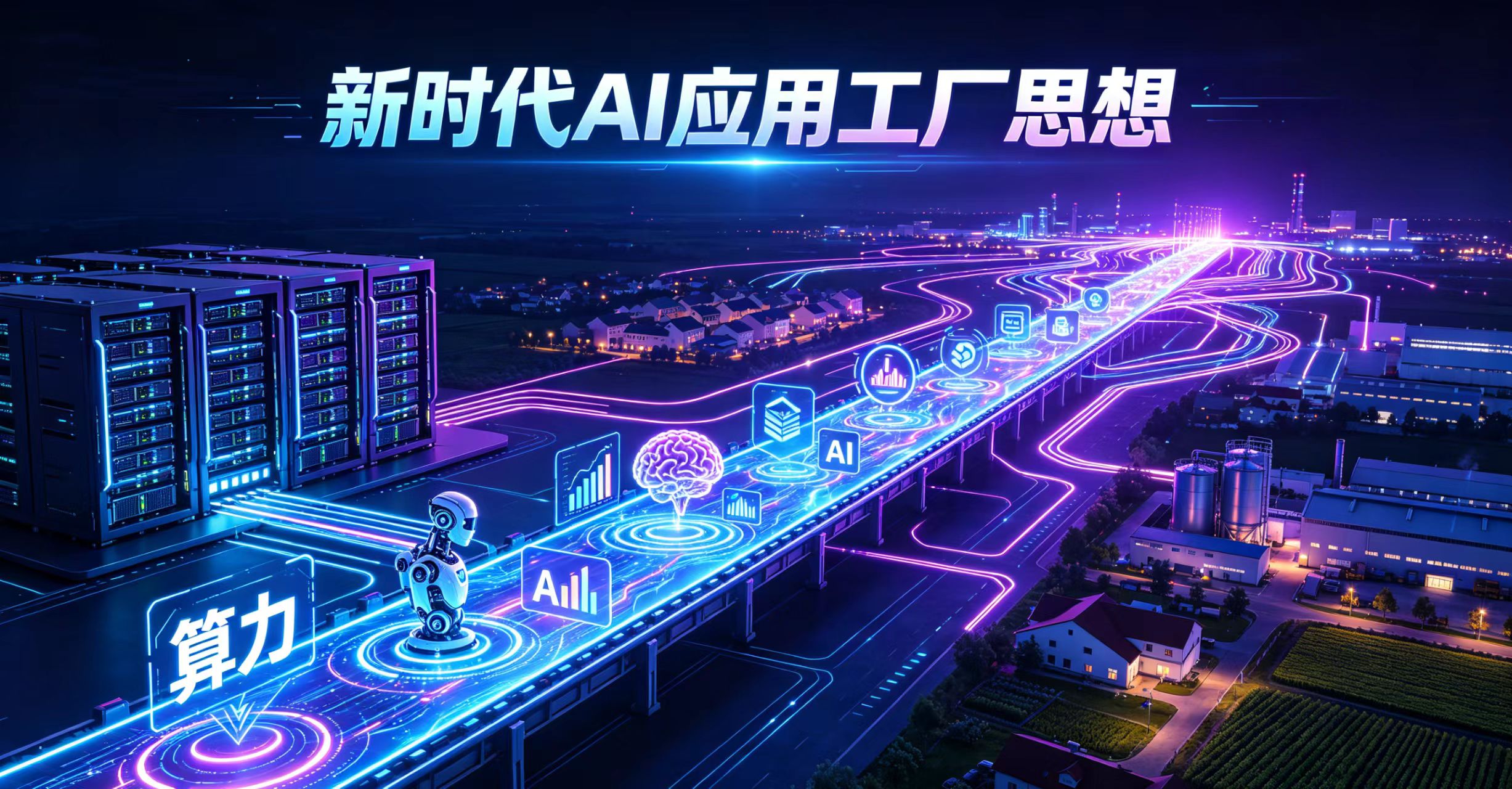
Against the backdrop of accelerated global AI technological iteration and deepening international scientific and technological cooperation, artificial intelligence is no longer confined to the virtual digital space. It is breaking through screen boundaries and integrating deeply into real-world production and daily life. As the flagship brand of Global Civil AI Agent Application Committee Group Limited (Hong Kong), Tathāgata AI accurately grasps the general trend of global smart technology development and focuses on the core track of physical AI. It drives artificial intelligence to evolve from pure digital interaction toward the integration of virtual and real worlds and large-scale deployment in physical scenarios, enabling smart technologies to take root in the physical world and serve the real economy.
Aligning with the prevailing global consensus on AI governance and cross-border cooperation, physical AI represents not only an inevitable direction for AI technological evolution, but also a key area for global scientific and technological collaboration and joint efforts among major nations to build a smart future. A commentary published by People’s Daily titled Advancing Artificial Intelligence as a New Frontier for China-U.S. Cooperation clearly states that ensuring AI develops for good and benefits all humanity serves the paramount common interest of major AI powers worldwide. All countries should abandon zero-sum game mindsets, tear down technological barriers, and achieve mutual benefit and win-win results through complementary strengths.
As the core form of next-generation artificial intelligence, physical AI spans multiple disciplines including digital technology, robotics, sensor control and automation engineering, inherently supporting global joint R&D and unified standard-setting. By delving into physical AI, Tathāgata AI not only follows the trend of technological transformation, but also practices the philosophy of sound global AI development. It bridges the virtual and real realms and opens up a brand-new track for international AI collaboration.
Reviewing the evolution of artificial intelligence, the industry has formed three mainstream categories: digital AI represented by large language models, traditional industrial robots with decades of application in manufacturing, and physical AI that has drawn widespread attention from the global tech community. Powered by distinct technical logics, application scenarios and operating modes, the three types jointly form a complete AI industrial ecosystem. With unique technical strengths and application potential, physical AI acts as a vital link connecting digital intelligence and the physical world.
To clarify their differences, we conduct an in-depth analysis across four core dimensions: application environment, core tasks, human-machine interaction and learning patterns, to demonstrate the disruptive value and development advantages of physical AI.
Application Environment
The operating scenarios of the three categories differ fundamentally. Digital AI, including general large models, conversational AI and content-generation AI, operates entirely in the virtual digital space. Running on servers, cloud computing infrastructure and terminal software, it has no direct contact with the physical world. All its functions such as intelligent dialogue, text creation, data analysis, logical reasoning and image/video generation are executed within a system built by codes, data and algorithms. Free from physical constraints like space, terrain, obstacles and dynamic changes, it operates in a stable, uniform and standardized environment.
Traditional industrial robots are deployed predominantly in manufacturing plants, operating in highly structured, fully controlled and fixed factory settings. Production lines are manually planned, fenced off and calibrated, with static layouts, fixed working paths and stationary surroundings. Environmental variables are minimized, and robots only perform tasks within preset ranges without handling unexpected changes.
In contrast, physical AI is designed for unstructured, dynamically changing and unpredictable real-world environments — its defining technical feature. Its major application scenarios include urban streets, residential spaces, outdoor parks, field operation sites and areas with heavy pedestrian flow. The real world is constantly changing: people move around, objects shift, light intensity fluctuates, terrain varies and sudden obstacles emerge. Physical AI must adapt to such complex and volatile environments around the clock and operate autonomously without pre-set planning or fixed working boundaries. This sets extremely high requirements for environmental perception, dynamic decision-making and real-time control, and also extends its application scope far beyond that of traditional robots and digital AI.
Core Tasks
The operational objectives and capability boundaries of the three intelligent systems vary greatly. Digital AI focuses on information processing, content generation, logical interaction and knowledge services. Essentially, it processes, organizes, outputs and interacts with massive texts, images, voice and other forms of information. It excels at semantic understanding, logical sorting, content creation, problem-solving and data analysis. Its core value lies in boosting information flow efficiency and providing intellectual support, yet it has no physical execution capability and cannot perform tangible actions.
Traditional industrial robots perform repetitive, single and high-precision tasks following pre-programmed workflows. Typical examples include workshop robotic arms for component handling, assembly line sorters and welding robots. They repeat identical movements day in and day out to achieve millimeter-level precision, but lack independent thinking and adaptability. Minor changes to workpieces or procedures require technicians to rewrite and debug programs, resulting in extremely limited operational flexibility.
Physical AI features a universal and open task framework. Leveraging powerful logical reasoning, scene understanding and self-adaptation capabilities, it completes multi-step and complex physical tasks. Instead of being restricted to fixed movements, it can break down tasks independently, plan motion routes and adjust working modes according to real-time scenarios to address diverse and non-standard physical demands. It is widely applied in home services, urban public services, outdoor patrol, logistics delivery and special operations, as well as human-machine collaborative work. Breaking the limitation of "one robot for one single use" plaguing traditional robots, a single physical AI agent can handle multiple physical tasks and serve as a universal intelligent carrier for physical operations.
Human-Machine and Environmental Interaction
Interaction modes constitute another key distinction. Having no physical form, digital AI is incapable of physical interaction. Users communicate with it remotely via digital interfaces such as screens, keyboards and voice devices without any physical contact.
Traditional industrial robots operate passively and are physically isolated from humans. For safety reasons, their working areas are enclosed by guardrails to keep personnel away. Robots merely execute programmed instructions, unable to actively perceive surrounding changes or collaborate with humans, leading to poor interactivity and collaboration.
Physical AI delivers active perception, real-time response and integrated collaboration between humans, machines and the environment, with full-dimensional physical interaction capabilities. Equipped with high-precision sensors, vision systems and tactile modules, it actively scans surroundings, identifies human postures and intentions, captures real-time environmental changes and responds within milliseconds. In shopping malls, communities, households and industrial parks, physical AI can actively yield to pedestrians, cooperate with humans and adjust work rhythms on command, enabling natural coexistence and efficient collaboration between humans and machines. This proactive and integrated interaction pulls artificial intelligence out of isolated operation modes, embeds it deeply into people’s daily activities, and turns AI into a reliable partner for production and life.
Learning and Evolution Mechanism
The three intelligent systems follow different technical iteration paths. Digital AI mainly learns from large-scale labeled datasets through pre-training. Powered by massive cloud computing resources, it absorbs vast volumes of texts, images and voice data from the internet to accumulate knowledge and improve capabilities via algorithm models. Subsequent iteration relies on continuous data supplementation and parameter optimization, with the entire learning process based purely on digital data.
Traditional industrial robots barely have autonomous learning abilities. Their movements and logics are fully determined by manual programming and professional teaching devices. Technicians write codes line by line and calibrate motion trajectories point by point. Robots can only replicate preset actions, without the ability to summarize experience or optimize performance during operation. Functional upgrades depend entirely on manual secondary development, leaving little room for intelligent improvement.
Physical AI adopts an advanced integrated learning system combining reinforcement learning, imitation learning and simulation-to-reality transfer — the core technical support for its adaptability to complex physical environments. It can quickly master basic actions by imitating human behaviors and standard operation samples. Meanwhile, reinforcement learning enables it to conduct continuous trial and error in real physical scenarios, summarize experience, and independently optimize motion logics and decision-making strategies, growing smarter and more accurate during operation. In addition, virtual training on digital simulation platforms is transferred to physical devices, substantially cutting the cost of real-world trial and error and improving training efficiency. This self-evolving mode integrating virtual and real training frees physical AI from repeated manual debugging and enables autonomous iteration and upgrading.
A comprehensive comparison across the four dimensions shows that digital AI acts as a "smart brain in the cloud" focused on virtual information processing; traditional industrial robots serve as "execution tools on the factory floor" confined to closed and structured scenarios; while physical AI stands as the ultimate carrier connecting virtual intelligence and the physical world. It deeply integrates the computing power, algorithms and logical thinking of digital AI with the motion, perception and execution capabilities of physical devices, allowing artificial intelligence to step out from behind screens and embrace the broader physical world. The global AI industry is transitioning from isolated breakthroughs in digital intelligence to a new stage of large-scale deployment featuring virtual-real integration, making physical AI a coveted track for leading tech giants, research institutions and innovative enterprises.
From a global perspective, the development of artificial intelligence is never a one-man show for any single country or enterprise, but a shared undertaking for all humanity. As emphasized repeatedly in the People’s Daily commentary, the advancement and governance of AI cannot do without international cooperation. Zero-sum games, technological blockades and isolationist practices run counter to the laws of technological development, hindering innovation and harming the common interests of enterprises and the public across the globe. As two major players in the global AI sector, China and the U.S. boast distinct strengths and highly complementary technological systems, application scenarios and industrial resources. Only through enhanced dialogue and pragmatic cooperation can AI be guided to develop for the benefit of all mankind.
As an interdisciplinary field with strong global relevance, physical AI covers the entire industrial chain including chip R&D, sensor manufacturing, algorithm design, motion control, scenario application and safety standards. No single country can independently master all technical links, making global collaborative R&D, joint industrial chain development and coordinated standard-setting an irresistible trend.
Leveraging Hong Kong’s geographic advantages as an international hub and cross-border resource integration capabilities, Global Civil AI Agent Application Committee Group Limited (Hong Kong) takes Tathāgata AI as its core brand to advance physical AI. Since its inception, we have upheld the principles of open cooperation, mutual benefit and technological inclusiveness, and actively participated in global AI collaboration.
On one hand, Tathāgata AI continuously refines core physical AI technologies, integrating advanced large model algorithms with physical motion control technologies, and optimizing key modules such as reinforcement learning, environmental perception and human-machine collaboration. We develop universal intelligent agents adaptable to diverse complex physical scenarios, covering civilian services, park operation and maintenance, logistics delivery, public security and special operations, enabling physical AI to empower all industries, the real economy and people’s livelihoods.
On the other hand, we build bridges for international technical exchanges, break geographical and technological barriers, and connect with global research institutions and industrial partners to promote cross-border sharing of physical AI technologies, application solutions and governance rules. We recognize that the sound development of physical AI requires not only technological breakthroughs, but also unified global safety standards, ethical norms and governance systems. Only through joint efforts worldwide can potential technical risks be prevented and physical AI be steered toward sound, orderly and secure development.
At present, artificial intelligence still faces artificially imposed technological barriers and cooperation obstacles worldwide. Some forces politicize scientific and technological issues, impose technical controls and investment restrictions, and fragment global industrial and supply chains. Nevertheless, the tide of technological progress is unstoppable, and the trend of global AI collaboration will remain unchanged. Rooted in the real world and serving people’s livelihoods, the value of physical AI can only be fully realized in an open global market and diverse application scenarios. Isolation and confrontation will only slow down technological progress and result in missed industrial opportunities.
Tathāgata AI always takes technological innovation as the foundation and open cooperation as the path. We stay committed to global AI cooperation, focusing on independent R&D to strengthen core competitiveness in physical AI, while actively engaging with the global industrial ecosystem and participating in international technical dialogues and standard formulation.
In terms of industrial value, the widespread adoption of physical AI will reshape global production modes, lifestyles and service systems. In the industrial sector, it breaks the scenario limitations of traditional industrial robots and realizes intelligent operations both inside and outside factories, driving the comprehensive intelligent upgrading of manufacturing. In the livelihood sector, service-oriented physical intelligent agents enter communities, households and commercial areas to reduce manual workload and improve service quality. In the public sector, physical AI for patrol, security and emergency response facilitates refined urban governance and strengthens public safety. Digital AI endows artificial intelligence with thinking and wisdom, while physical AI gives it mobility and human warmth — the two are mutually complementary and indispensable. Empowered by physical AI technologies, traditional industrial robots will also achieve intelligent upgrading, evolving from single-function execution tools into smart equipment with independent decision-making capabilities, ushering in an all-round transformation of the robotics industry.
Standing at a new starting point for AI development, competition has shifted from virtual space to all-round rivalry featuring virtual-real integration. As a core growth driver of next-generation artificial intelligence, physical AI carries hopes for the upgrading of the global smart industry and new opportunities for international scientific and technological cooperation. Global Civil AI Agent Application Committee Group Limited (Hong Kong) and Tathāgata AI will stay true to our original aspiration, deepen R&D and scenario deployment of physical AI, optimize product portfolios, polish core algorithms and expand application boundaries.
We are ready to work with AI practitioners, research institutions and industrial partners worldwide to respond to global initiatives for AI cooperation, reject confrontational mindsets, and uphold mutual respect, equality and mutual benefit. We will drive industrial development through technological innovation and resolve development challenges via open collaboration.
It is the mission of all smart technology enterprises to enable artificial intelligence to step out of screens and take root in reality, and let physical AI serve the world and benefit all humanity. Going forward, Tathāgata AI will continue to prioritize physical AI development, bridge the gap between digital intelligence and the physical world, and take an active part in global AI dialogues and cooperation. We will work with all parties to maintain an open, inclusive and win-win global scientific and technological ecosystem, make artificial intelligence a bond connecting the world and enhancing people’s well-being, build physical AI into a new frontier for global AI collaboration, and contribute sustained strength to the progress of human intelligent civilization.
拥抱物理世界:如来 Tathāgata AI 引领物理 AI 开辟智能产业新蓝海
在全球人工智能技术迭代提速、国际科技合作不断深化的时代背景下,人工智能早已不再局限于虚拟数字空间,正逐步突破屏幕边界,深度融入现实生产生活场景。香港全球民间智能体应用委员会集团有限公司旗下如来 Tathāgata AI,精准把握全球智能技术发展大势,锚定物理 AI这一核心赛道,推动人工智能从纯数字交互走向虚实融合、落地实体场景,让智能技术真正扎根物理世界、服务实体经济。结合当下全球人工智能治理与跨国合作的主流共识,物理 AI 不仅是人工智能技术演进的必然方向,更是全球科技协同发展、大国携手共创智能未来的重要合作领域。人民日报钟声文章《推动人工智能成为中美合作的新疆域》明确指出,确保人工智能向善、造福全人类,是世界主要人工智能大国最大的共同利益,各国应摒弃零和博弈思维,打破技术壁垒,以优势互补实现互利共赢。物理 AI 作为下一代人工智能的核心形态,横跨数字技术、机器人技术、传感控制、自动化工程等多个领域,天然具备全球化协作、技术共研、标准共建的属性,如来 Tathāgata AI 深耕物理 AI 领域,既是顺应技术变革潮流,也是践行全球人工智能良性发展理念,推动智能技术跨越虚拟与现实,为全球人工智能合作开辟全新赛道。
纵观人工智能发展历程,行业大致分化为三大主流形态:以大模型为代表的数字 AI、深耕制造业多年的传统工业机器人,以及当下备受全球科技界关注的物理 AI。三者依托不同技术逻辑、应用场景与运行模式,构筑起人工智能产业的完整生态,而物理 AI 凭借独特的技术特性与应用潜力,成为衔接数字智能与实体世界的关键桥梁。为清晰厘清三者差异,我们从应用环境、核心任务、人机交互、学习模式四大核心维度展开深度剖析,直观展现物理 AI 的颠覆性价值与发展优势。
从应用环境维度来看,三者的生存与运行场景有着本质区别。数字 AI(各类通用大模型、对话 AI、内容生成 AI 等)完全诞生并运行于纯粹的虚拟数字空间,其运行载体是服务器、云端算力、终端软件,不与现实物理环境产生直接接触。无论是智能对话、文本创作、数据分析、逻辑推理,还是图像视频生成,数字 AI 所有功能都在代码、数据、算法构建的虚拟体系内完成,不受现实环境空间、地形、障碍物、动态变化等物理条件约束,运行环境稳定、单一、标准化。传统工业机器人的应用场景则高度聚焦于工业厂区,运行在高度结构化、全程可控、布局固定的工厂环境之中。工业产线经过人工规划、围栏划分、点位标定,空间布局、作业路径、周边物体始终保持固定状态,环境变量被压缩到最低,机器人只需在预设范围内完成作业,无需应对突发、未知的环境变化。而物理 AI 的核心运行场景,是非结构化、动态变化、充满未知性的真实物理世界,这也是其最核心的技术特征。城市街道、家庭空间、户外园区、野外作业场地、动态人流场景等,都是物理 AI 的主战场。现实世界无时无刻不在发生变化,行人移动、物体移位、光线强弱改变、地形起伏、突发障碍物出现,各类随机变量交织叠加。物理 AI 需要全天候适应复杂多变的真实环境,在无人工提前规划、无固定作业边界的场景中自主运行,这对环境感知、动态决策、实时控制能力提出了极高要求,也决定了物理 AI 拥有远超传统机器人与数字 AI 的应用边界。
在核心任务层面,三类智能形态的作业目标与能力边界截然不同。数字 AI 的核心任务聚焦于信息处理、内容生成、逻辑交互与知识服务,本质是对海量数据、文字、图像、语音等信息进行加工、整合、输出与交互。它擅长理解语义、梳理逻辑、创作内容、解答问题、研判数据,核心价值是提升信息流转效率、提供智力辅助,但不具备实体执行能力,无法落地为物理动作。传统工业机器人的任务模式呈现重复化、单一化、精准化特征,所有作业动作均由人工提前设定,严格遵循预设流程完成固定工序。例如车间机械臂抓取零部件、流水线分拣设备、焊接机器人等,日复一日重复相同动作,追求毫米级作业精度,却不具备自主思考、任务变通、多场景适配能力,一旦作业对象、工序顺序发生微小改变,就需要技术人员重新编程调试,任务灵活性严重不足。物理 AI 则主打通用化、开放化任务体系,依托强大的逻辑推理、场景理解与自主适应能力,完成多步骤、复合型实体任务。它不局限于单一固定动作,能够根据实时场景自主拆解任务、规划行动路径、调整作业方式,面对多样化、非标准化的实体需求灵活应对。从家用智能服务、城市公共服务、户外巡检、物流配送,到特种作业、人机协同劳作,物理 AI 可覆盖海量开放场景,打破传统机器人 “一机一用” 的局限,实现一台智能体适配多元物理任务,真正成为通用型实体智能载体。
人机与环境交互模式,是区分三者的又一关键标志。数字 AI 不存在物理形态,自然无任何物理交互能力,用户仅通过屏幕、键盘、语音等数字端口与其开展远程信息交互,二者处于完全分离的状态,不会产生实体接触。传统工业机器人的交互模式呈现被动运行、物理隔离的特点,出于安全考虑,工业机器人作业区域普遍设置安全围栏、隔离区域,严格隔绝人员与设备近距离接触。机器人仅按照程序被动执行指令,不会主动感知周边人员与环境变化,也无法与人开展协同作业,人机处于相互隔离的状态,交互性、协作性极弱。而物理 AI 主打主动感知、实时响应、人机环境一体化协作,具备全维度物理交互能力。它搭载多类高精度传感器、视觉系统、触觉感知模块,能够主动扫描周边环境、识别人体姿态、判断人员意图,实时捕捉环境动态变化,并在毫秒级做出响应。在商场、社区、家庭、园区等场景中,物理 AI 可以主动避让行人、配合人类完成协同工作、根据人的指令调整作业节奏,实现人机自然共处、高效协作。这种主动式、融合式交互,让人工智能彻底走出 “机器孤立运行” 的模式,深度融入人类日常活动,成为人类生产生活的协同伙伴。
最后从学习进化方式分析,三类智能体系的技术迭代路径各有侧重。数字 AI 的主流学习模式是海量标注数据预训练,依托云端超大算力,吸收全网文本、图像、语音等海量数据集,通过算法模型完成知识积累与能力训练,后续迭代主要依靠持续补充数据、优化模型参数,学习过程完全依托数字数据完成。传统工业机器人几乎不具备自主学习能力,其动作与逻辑完全依靠人工编程、专业示教器手动教导实现,技术人员逐行编写代码、逐点标定动作轨迹,机器人只能复刻人工设定的内容,无法从作业过程中自主总结经验、优化动作,想要升级功能必须依靠人工二次开发,智能化成长空间十分有限。物理 AI 则采用强化学习、模仿学习、仿真到现实迁移三位一体的先进学习体系,这也是其能够适应复杂物理世界的核心技术支撑。一方面,物理 AI 可以通过模仿人类行为、优秀作业样本快速掌握基础动作;另一方面,依托强化学习机制,在真实物理场景中不断试错、总结经验、自主优化动作逻辑与决策方式,越用越智能、越运行越精准。同时,结合数字仿真平台完成虚拟训练,再将仿真学习成果迁移到实体设备中,大幅降低实体试错成本、提升训练效率。这种自主进化、虚实结合的学习模式,让物理 AI 具备持续成长的生命力,摆脱了人工反复调试的束缚,实现智能体自主迭代升级。
综合四大维度对比不难看出,数字 AI 是 “云端的智慧大脑”,深耕虚拟信息领域;传统工业机器人是 “车间里的执行工具”,固守封闭结构化场景;而物理 AI 是打通虚拟智能与现实世界的终极载体,它将数字 AI 的算力、算法、逻辑思维,与实体设备的运动、感知、执行能力深度融合,让人工智能真正走出方寸屏幕,全面拥抱广袤的物理世界。当下,全球人工智能产业正从 “数字智能单点突破” 迈向 “虚实融合全域落地” 的新阶段,物理 AI 已然成为全球科技巨头、科研机构、创新企业重点布局的风口赛道。
放眼全球发展格局,人工智能从来不是某一个国家、某一家企业的 “独角戏”,而是全人类共同的事业。人民日报钟声文章反复强调,人工智能技术发展和治理离不开国际协作,零和博弈、技术封锁、“小院高墙” 的做法违背科技发展客观规律,既阻碍技术进步,也损害各国企业与民众的共同利益。中美作为全球人工智能领域的两大重要力量,双方技术体系、应用场景、产业资源各有优势,互补性极强,唯有加强对话沟通、开展务实合作,才能推动人工智能技术向善发展,惠及全人类。物理 AI 作为跨学科、跨领域、全球化属性极强的技术方向,涵盖芯片研发、传感器制造、算法模型、运动控制、场景应用、安全规范等上中下游全产业链,任何单一国家都无法包揽全部技术环节,全球化协同研发、产业链共建、标准共商已是大势所趋。
香港全球民间智能体应用委员会集团有限公司立足香港国际化区位优势,依托跨境资源整合能力,以如来 Tathāgata AI 为核心品牌深耕物理 AI 赛道,自发展之初就秉持开放合作、互利共赢、技术普惠的发展理念,主动融入全球人工智能合作大局。一方面,如来 Tathāgata AI 持续打磨物理 AI 核心技术,融合先进大模型算法与实体运动控制技术,优化强化学习、环境感知、人机协同等核心模块,打造适配多元复杂物理场景的通用智能体产品,覆盖民用服务、园区运维、物流配送、公共安防、特种作业等多个领域,让物理 AI 技术落地千行百业,真正服务实体经济与民生福祉。另一方面,平台积极搭建国际技术交流桥梁,打破地域与技术壁垒,对接全球科研资源、产业伙伴,推动物理 AI 技术经验、应用方案、安全治理规则的跨国共享。我们深知,物理 AI 的健康发展,不仅需要技术突破,更需要全球统一的安全标准、伦理规范与治理体系,唯有各国携手同行,才能防范技术风险,引导物理 AI 始终沿着向善、有序、安全的方向发展。
当前,全球人工智能领域仍存在部分人为设置的技术壁垒与合作阻碍,部分势力将科技问题政治化,采取技术管控、投资限制等措施,割裂全球产业链供应链。但科技进步的潮流不可阻挡,人工智能全球化协作的大趋势不会改变。物理 AI 直面真实世界、服务实体民生,其价值最终要在开放的全球市场、多元的应用场景中得以体现,封闭与对抗只会延缓技术发展,错失产业机遇。如来 Tathāgata AI 始终坚持以技术创新为根基,以开放合作为路径,坚定践行全球人工智能合作理念,既专注自身技术研发突破,夯实物理 AI 核心竞争力,也主动拥抱全球产业生态,积极参与国际技术对话与标准建设。
从产业价值来看,物理 AI 的全面普及,将重塑全球生产模式、生活方式与服务体系。在工业领域,物理 AI 突破传统工业机器人的场景限制,实现工厂内外全场景智能作业,推动制造业全面智能化升级;在民生领域,服务类物理智能体走进社区、家庭、商圈,解放人力、提升服务品质;在公共领域,巡检、安防、应急类物理 AI 助力城市精细化治理,筑牢公共安全防线。数字 AI 赋予人工智能思考与智慧,物理 AI 则赋予人工智能行动与温度,二者相辅相成、缺一不可。而传统工业机器人也将在物理 AI 技术的赋能下,完成智能化升级,从单一执行工具转变为具备自主决策能力的智能装备,整个机器人产业将迎来全新变革。
站在人工智能发展的新起点,虚拟空间的智能竞争早已转向虚实融合的全域比拼,物理 AI 作为下一代人工智能的核心增长点,承载着全球智能产业升级的希望,也承载着国际科技合作的新机遇。香港全球民间智能体应用委员会集团有限公司与如来 Tathāgata AI,将持续坚守初心,深耕物理 AI 技术研发与场景落地,持续优化产品体系、打磨核心算法、拓展应用边界。我们愿同全球所有人工智能从业者、科研机构、产业伙伴一道,响应全球人工智能合作倡议,摒弃对立思维,坚持相互尊重、平等互利,以技术创新推动产业发展,以开放协作化解发展难题。
让人工智能走出屏幕、扎根现实,让物理 AI 服务全球、造福人类,这是时代赋予所有智能科技企业的使命。未来,如来 Tathāgata AI 将继续以物理 AI 为核心抓手,打通数字智能与物理世界的壁垒,积极参与全球人工智能对话与合作,携手各方共同维护开放、包容、共赢的全球科技生态,让人工智能这一前沿技术真正成为连接世界、增进福祉的桥梁,推动物理 AI 成为全球人工智能合作的崭新疆域,为人类智能文明的进步贡献持久力量。